
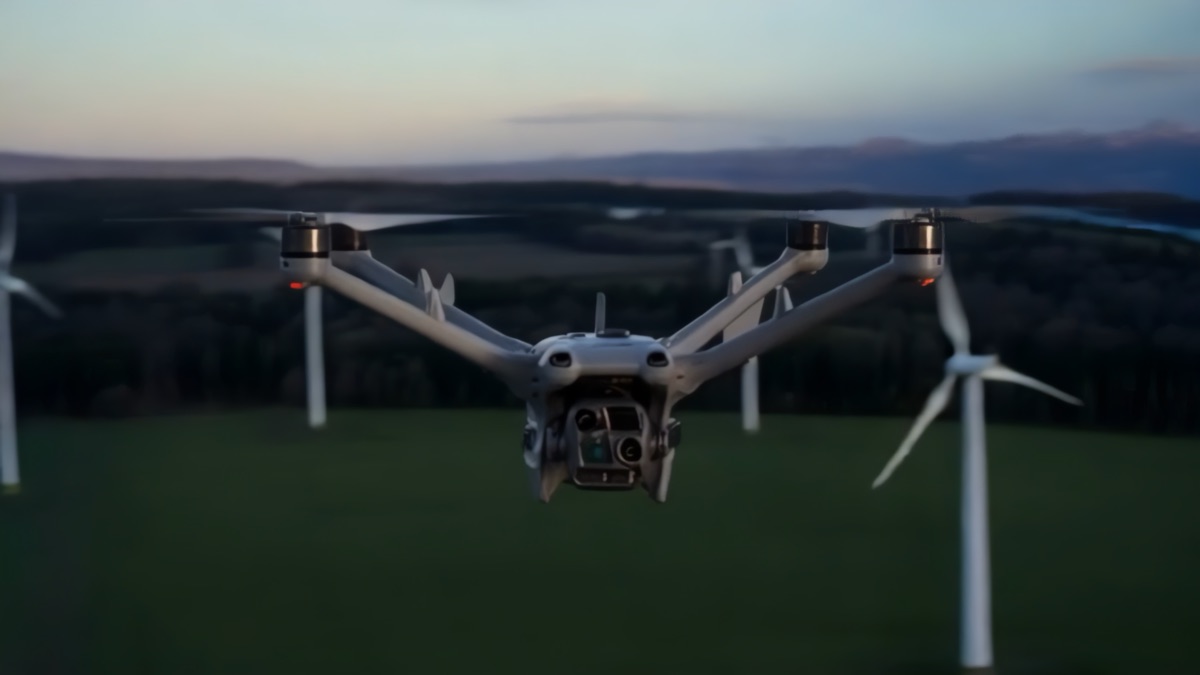
Infrastructure inspections
Infrastructure inspections from the air.
We document energy, telecommunication and technical infrastructure without routine access to hard-to-reach parts of an asset.
Scope
What we can inspect
We define the imagery, thermal capture and documentation around the asset, review objective and flight conditions.
01 / Energy
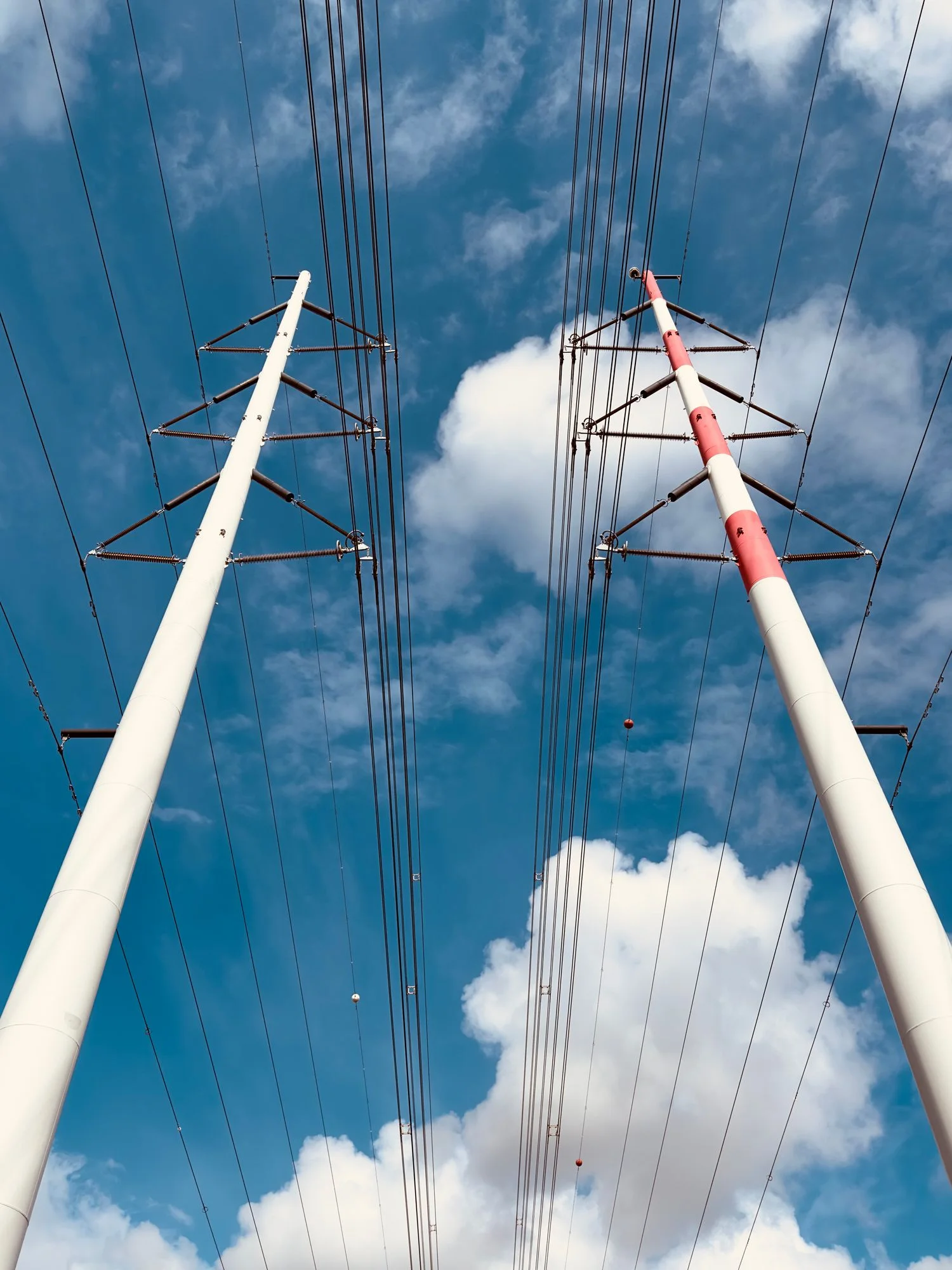
Energy infrastructure
We record the visible condition of lines, structures and installations. Overview and detail imagery helps identify observations for technical verification; thermal capture is used where the objective and conditions support it.
- Power lines, poles and support structures
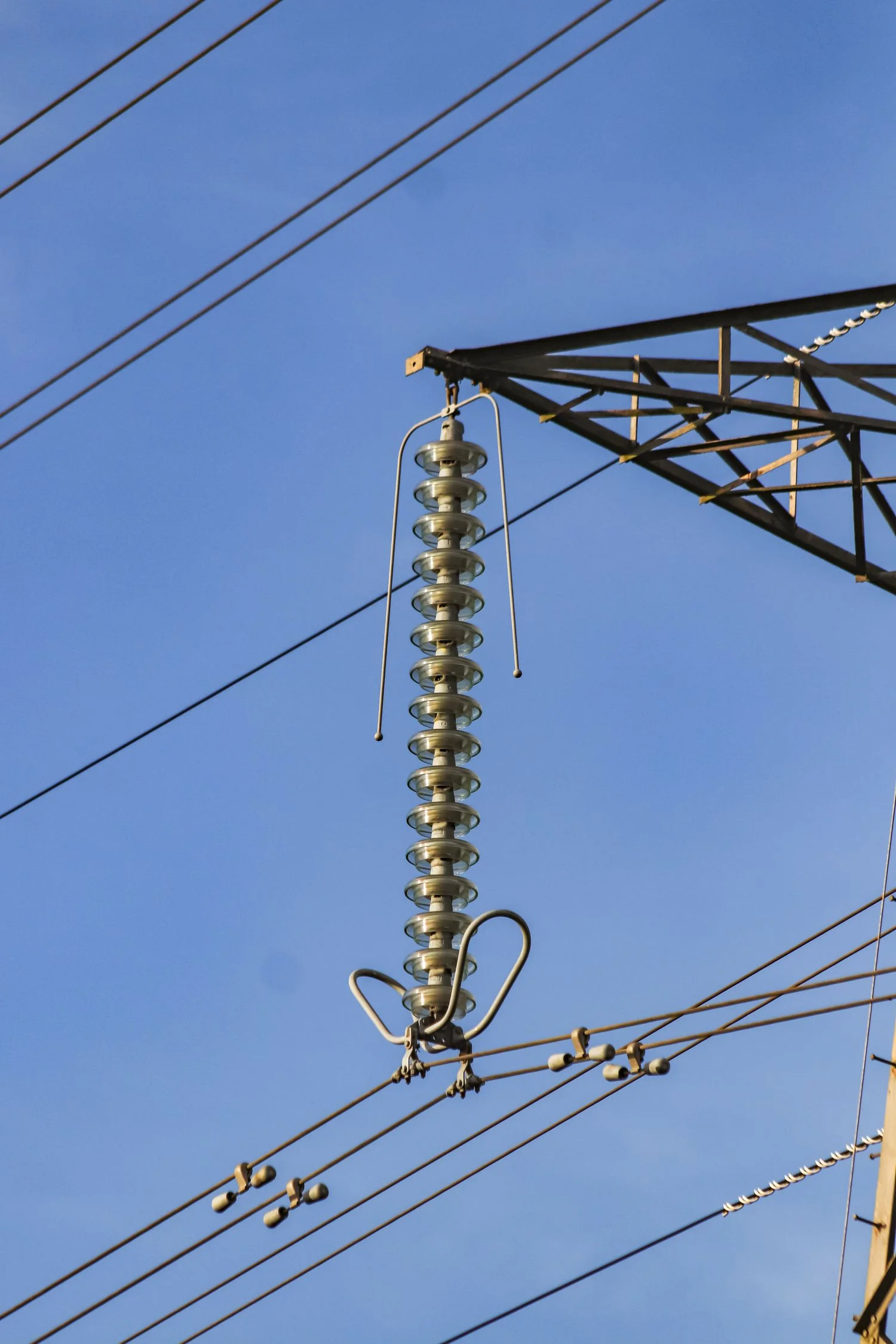
- Insulators, connections and fittings
- Substations and PV- or wind-farm infrastructure
- Hard-to-access structural components
02 / Telecommunications
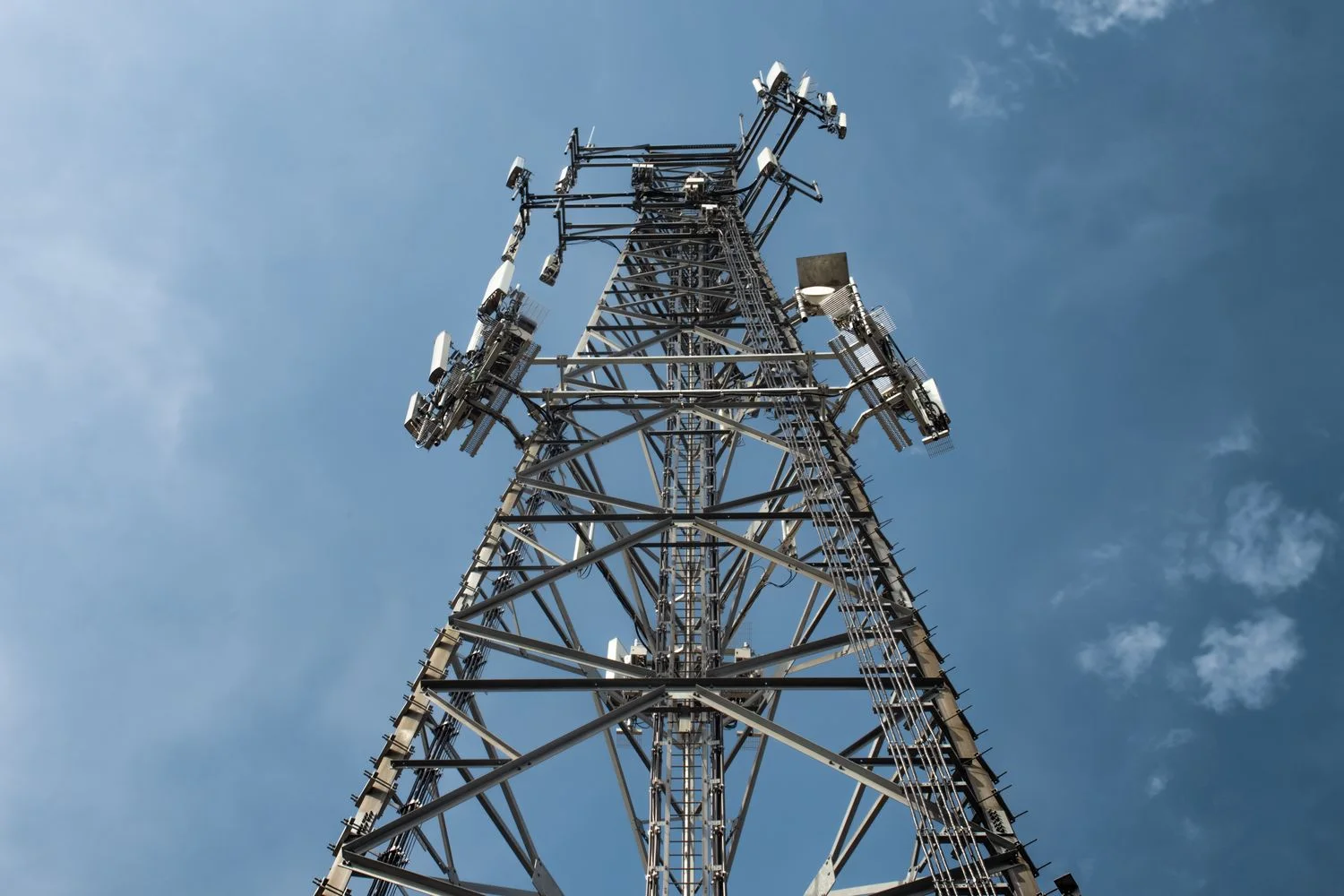
Telecommunication infrastructure
Drone capture provides detailed documentation of towers, masts, antennas, mounts and externally visible installations without requiring routine access to every elevated component. The resulting imagery can support technical review, maintenance planning and asset documentation.
- Masts and lattice towers; antennas and mounts
- Support structures and externally visible cable installations
- Cabinets and technical components where aerial documentation is appropriate
- Externally visible structural condition and before-and-after service records
Drone imagery does not replace legally required physical inspection or assessment by a qualified structural engineer.
03 / Technical assets
Other technical infrastructure
We document industrial halls and roofs, chimneys, tanks, steel structures, and elevated or hard-to-reach asset components. Bridges and viaducts are considered individually where operating and regulatory conditions permit.
Method
How an inspection works
- 01Define the asset and inspection objective
- 02Plan the flight and documentation scope
- 03Capture RGB or thermal imagery where applicable
- 04Select and locate observations
- 05Prepare the material
- 06Deliver the documentation
Output
What the client receives
We agree the delivery scope before flying. The material retains asset context and can support comparison at a later inspection.
- High-resolution photographs and thermal imagery when included in scope
- An organised set of observations and locations requiring further review
- Captioned or annotated imagery; a PDF report when included in the project
Illustrative photography; these are not NeoScout projects.
Enquiry
Start with the asset and inspection objective.
Send us the location, type of infrastructure and intended output. We will define the capture method and documentation format.
Contact NeoScout